
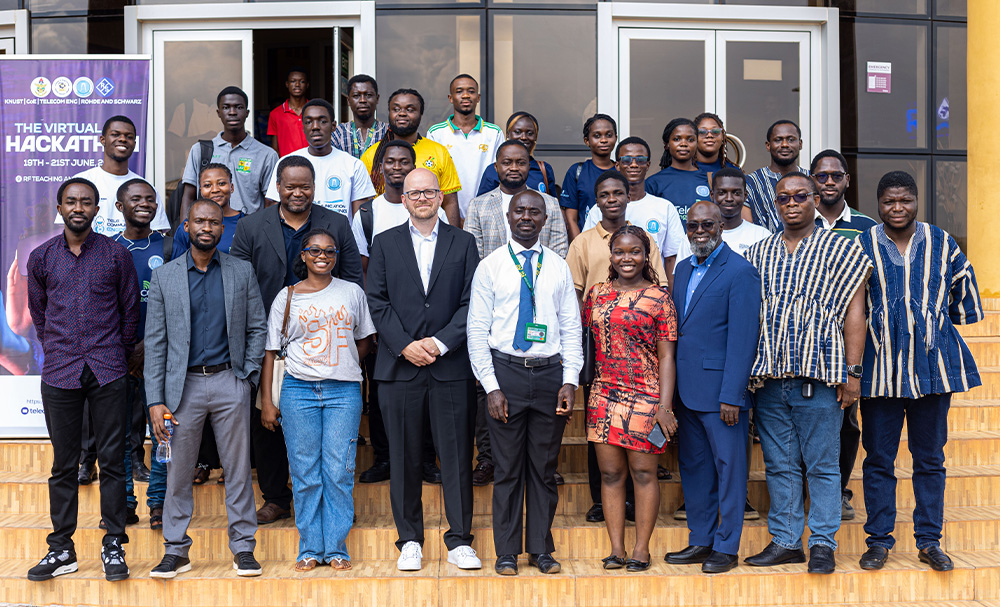
The Department of Telecommunications Engineering at the Kwame Nkrumah University of Science and Technology, Kumasi (KNUST), in collaboration with Rohde & Schwarz, a German technology company, has launched a 48-hour hackathon aimed at developing innovative solutions to real-world challenges.
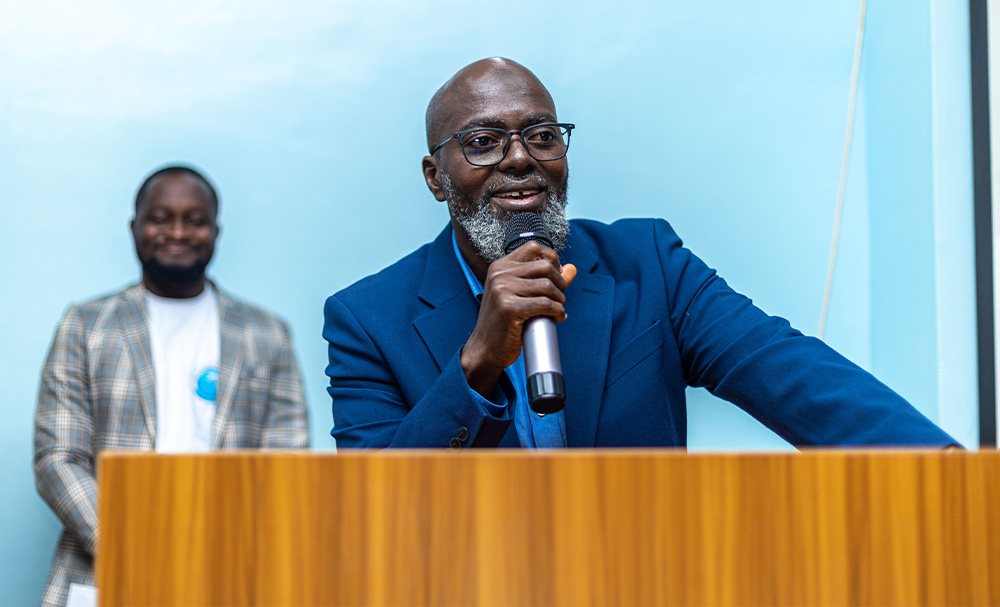
Speaking at the opening ceremony, the Head of the Department of Telecommunications Engineering, Professor Abdul-Rahman Ahmed, described the initiative as an important platform for students to unlock their potential and connect with international opportunities.
“This platform presents an opportunity for students to challenge themselves, develop breakthrough innovations and position themselves for participation in the global technology industry,” he said. “The competition is only the beginning. It opens doors for students to access opportunities beyond graduation.”
Professor Ahmed expressed appreciation to Rohde & Schwarz for its longstanding support to the department, particularly its contribution to the establishment of the Microwave Research Laboratory, which is currently used for teaching and research activities.
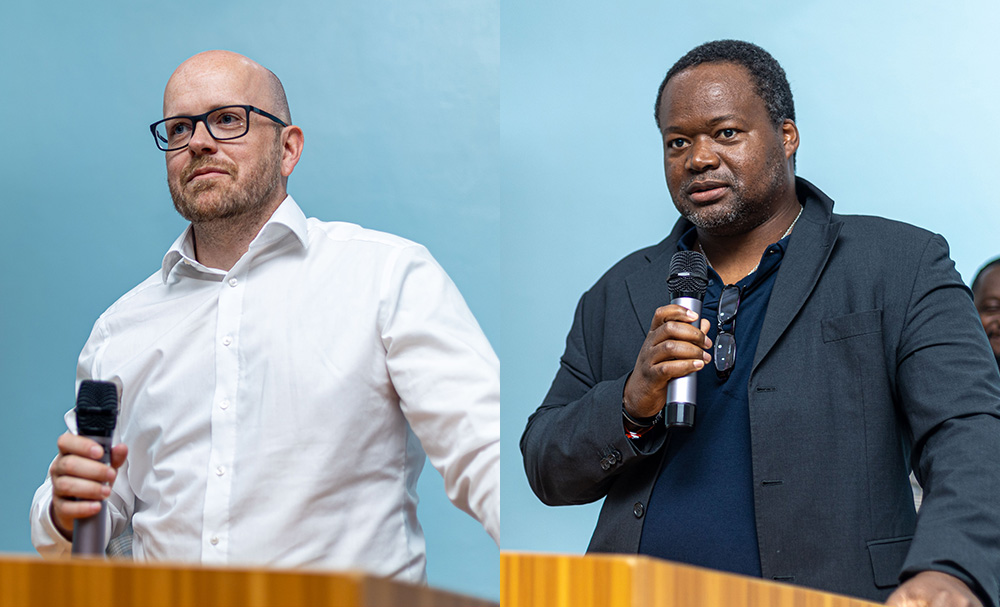
Representatives of Rohde & Schwarz, Mr. Marius Schmidt, Director of the Dynamic Development Campus (DDC), and Mr. Hermann Bayala, Senior Software Test Manager and QA Specialist, encouraged participants to take full advantage of the hackathon by embracing collaboration, creativity and innovation.
Mr. Bayala urged students to view the programme not merely as a competition but as an opportunity to transform ideas into impactful solutions.
“Most ideas are not made out of isolation. You need collaboration. Use this opportunity to generate and create ideas that will help develop your country. Be bold about your ideas,” he advised.
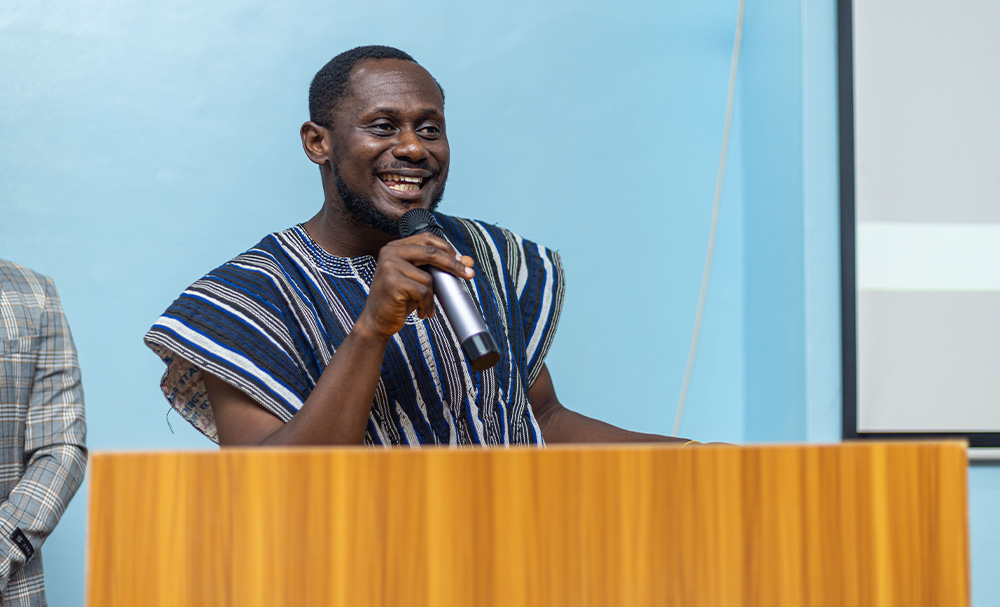
Providing an overview of the hackathon, the Coordinator, Dr. Kwame Oteng Gyasi, said the challenge focuses on developing concepts for a “Virtual Laboratory” that would enable students and researchers to access laboratory resources remotely.
“This hackathon challenges teams to develop innovative solutions across the following tracks: AR-based Instrument Visualization Tools, Virtual AI Lab Assistants (chat/voice-guided learning), Intelligent Measurement Workflow Builders, AI Troubleshooting and Signal Analysis Tools, and Adaptive Learning and Skill Tracking Systems,” he said.
According to Dr. Gyasi, participants will have access to real laboratory instruments and full laboratory infrastructure, alongside software tools such as Python, machine learning frameworks, OpenCV and instrument APIs. They will also compete for sponsored cash prizes while gaining practical engineering experience through hands-on engagement with industry-grade challenges.
The programme further offers structured mentorship from industry professionals, opportunities to develop portfolio-ready projects, and exposure to advanced laboratory instrumentation and AI-enabled systems.
Dr. Gyasi said the hackathon was designed to generate ideas with long-term value rather than short-term prototypes. He added that participants may have opportunities to further develop promising solutions and collaborate with industry experts after the competition.
He encouraged students to regard the programme as a learning opportunity regardless of the outcome.
"You win, you get some prizes. If you don't win, you still learn. So there is no losing here."
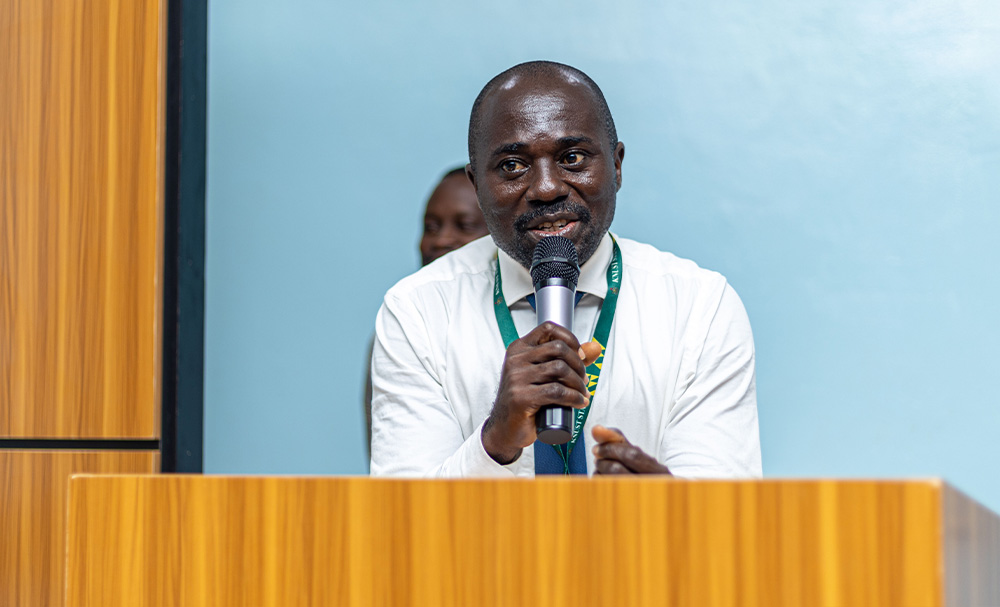
The Dean of the Faculty, Professor Emmanuel Frimpong, said Ghana needed innovative ventures capable of creating jobs and harnessing the talents of young people. He described the hackathon as an excellent opportunity for students to develop their skills and contribute solutions to real-world challenges.
“Our students possess remarkable talents, and this is an excellent opportunity for those talents to be developed.”
Professor Frimpong encouraged participants to fully commit themselves to developing solutions that could contribute to the advancement of engineering education and industry.


